
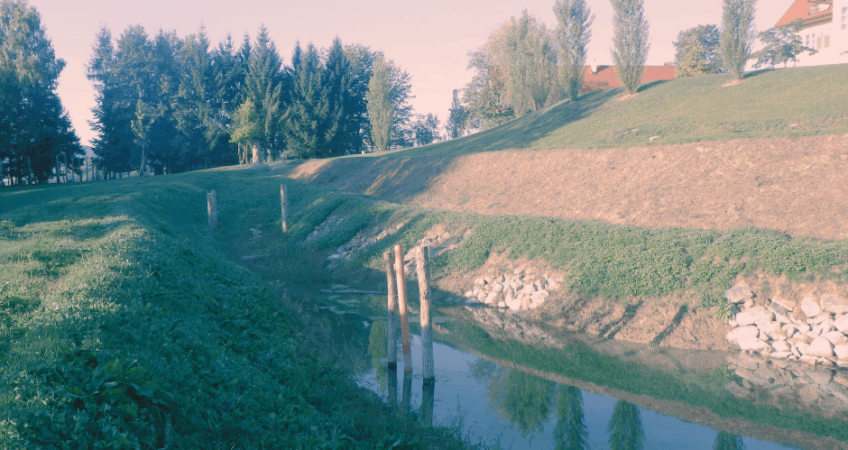
Stormwater management systems are a crucial infrastructure, serving as your community’s first line of defense against erosion and flooding caused by runoff from impervious surfaces like roads and roofs. Beyond flood control, these systems are vital for environmental protection, helping to capture pollutants such as sediment, nutrients, heavy metals, gasoline, and oil before they reach our waterways.
However, these systems are only as effective as their upkeep. To ensure they continue protecting your community and the environment for years to come, proper and consistent maintenance is non-negotiable.
Who is Responsible and What are the Rules?
In most cases, the local community is responsible for maintaining its stormwater management systems. The specific maintenance requirements are, in most cases, set by the local governing authority.
Your First Step: We strongly recommend that communities check directly with their local governing authorities to determine the precise, mandated maintenance requirements for their specific systems. For detailed federal standards and best practices, reliable resources like the U.S. Environmental Protection Agency (EPA) provide comprehensive guidance on stormwater maintenance to ensure compliance and effectiveness.
Five Essential Stormwater System Maintenance Activities
Effective maintenance requires a proactive approach, including regular inspections and timely intervention. Here are the core activities your community should prioritize:
-
Frequent Inspections are Key
Inspections are the single most important task a community can perform. Frequent checks help you identify developing issues early, preventing minor problems from escalating into serious, costly repairs. Consult local authorities for specifics on what to inspect and the required frequency. Conduct additional inspections immediately following major rain or windstorms to check for damage or blockages.
-
Debris and Litter Removal
Runoff naturally collects litter and debris and deposits it within the stormwater system components. A buildup of debris can cause water to pond in dry systems or trenches. In wet ponds, it can clog outlet structures, raise water levels, and potentially lead to flooding or damage to essential vegetation. Plan for annual or semi-annual debris removal inspections.
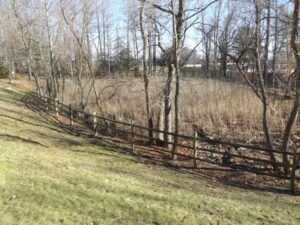
Overgrown wet pond
-
Safety and Security Checks
Many stormwater systems, especially ponds, have safety components that require regular testing and inspection.
- Fences and Gates: Ponds are often surrounded by security fences with gates and locks. Inspect the integrity of the fence at least twice a year. Check for the proper securing of gates and locks weekly and immediately after any work is completed within the fenced perimeter.
- Mechanical Components: Overflows, valves, sluice gates, access hatches, and pumps must be inspected and tested annually or right after a major storm.
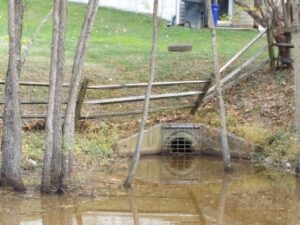
Failed safety fence around a wet pond
-
Embankment Stabilization
Features like infiltration trenches, whether covered with gravel or vegetation, help filter pollutants and absorb runoff. For vegetative covers like turf grass to be effective, they must be healthy and stable. Maintenance requirements include regular mowing and repairing bare spots. Mowing operators must watch for animal burrows, which can undermine the sod and damage the structural integrity of the embankment surface. Conduct a detailed inspection of both gravel and vegetative trenches once a year and immediately following a severe storm.
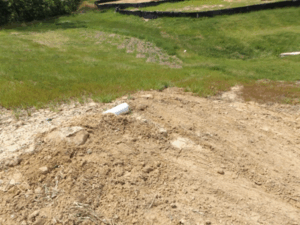
Erosion of embankment
-
Sediment Removal
Stormwater runoff carries sediment that accumulates in both dry and wet ponds over time, reducing their capacity to retain and absorb water. Sediment removal is required to restore the pond’s original function.
- Dry Ponds: It’s recommended that sediment be removed once the storage capacity of the pond has been reduced by 25% to 50%. This process requires removing existing vegetation, excavating the sediment, and replanting new vegetation. Depending on what drains into the pond, most communities perform sediment removal once every two to ten years.
- Wet Ponds: This is a more complicated process requiring the pond to be drained, the sediment removed to a storage site for dewatering, and then transported to a final destination. Annual water depth testing determines the frequency of dredging, as communities generally want to maintain a minimum pond depth of three feet. Typical dredging frequency is every 15 to 20 years.
Prioritizing these six maintenance activities is essential for safeguarding against property damage and protecting the environment. However, planning for the major, costly repairs—like multi-year sediment removal or full component replacement—is a separate challenge.
A Reserve Study provides your community with the crucial, long-term financial roadmap needed to fund these future stormwater obligations. It forecasts the exact timing and cost of major repairs, ensuring your budget is prepared.
Don’t wait for a costly surprise. Visit here to request a proposal and secure your community’s financial stability.