
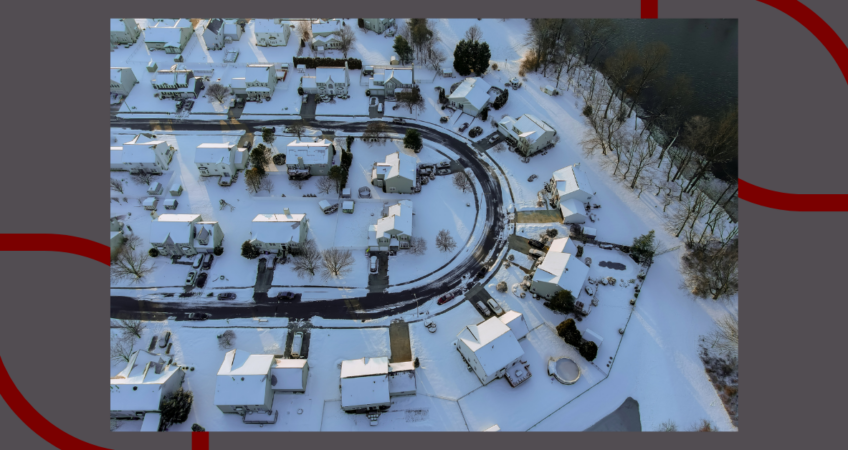
Winter is coming, and it brings a unique set of challenges for community managers and boards. Extreme temperatures, heavy snowfall, and freezing rain stress practically every element of a community. Buildings, roads, sidewalks, stormwater systems, and utilities (both above and below grade) are all subject to winter-generated stress.
Unless a community has taken the necessary steps to prepare, the damage can be significant, costly, and disruptive. Preparation is the key to reducing the risk of damage, but to be effective, that preparation must take place well before the temperatures drop.
Here is a checklist to ensure your community is ready to weather the storm.
-
Communication: The Backbone of Preparation
No plan can be effective unless everyone in the community knows what it is and what their responsibility is.
- Define Decision Makers: Identify exactly who is responsible for deciding what activities happen and when. Provide a clear channel for residents to contact these decision-makers.
- Manage Expectations: Inform residents of what the plan covers—and what it doesn’t. Time, finances, and availability impact every plan. Informed residents have more realistic expectations.
- Announce Closures: If facilities like walking paths or playgrounds will close for the season, inform residents well in advance.
-
Anticipate Needs Early
The time to find a contractor for snow removal or a broken water line is not when the snow is falling or the pipe has burst.
- Secure Contracts Now: Ensure contracts for snow removal and emergency repairs are signed weeks or months in advance. You do not want to be at the bottom of a contractor’s response list during a crisis.
- Designate Authority: Identify a point person with authority to call for outside help immediately when needed.
- Stock Supplies: If the Association treats sidewalks, ensure you have adequate ice melt or sand on hand now.
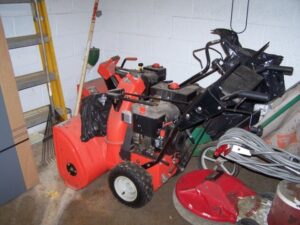
Test Run All Snow Removal Equipment
-
Protect Outdoor Facilities
Outdoor assets take the brunt of winter weather.
- Store Furniture: Move outdoor furniture and portable equipment to protected storage to prevent it from weathering.
- Drain Water Features: If the area freezes, turn off and drain fountains or pools.
- Clear Drains: This is critical. Clear leaves and debris from stormwater drains and yard inlets. If blocked, these can form ice dams and cause flooding.
- Mark Paths: Install snow stakes on walking paths to guide equipment operators and prevent damage to turf or hardscape during clearing.
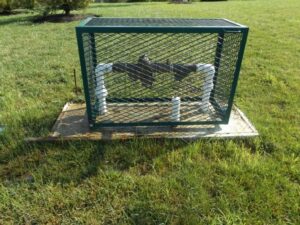
All Exterior Plumbing Must be Drained to Prevent Freezing
-
Secure Building Exteriors
A robust exterior prevents water intrusion and promotes energy efficiency.
- Roof Inspection: Check for missing shingles or damaged membranes. Winter water penetration can cause extensive interior damage.
- Gutters and Downspouts: Clear them of all debris. Blocked gutters lead to ice dams and water backing up under the roof.
- Lighting: With shorter days, inspect all exterior and entry lights. Reset timers to account for earlier sunsets.
-
Monitor Plumbing Systems
Some of the costliest winter repairs result from frozen pipes bursting.
- Identify Risks: Locate piping in unheated spaces or near exterior openings. If it cannot be drained, install heat tape.
- Test Valves: Ensure shutoff valves for exterior piping are working correctly.
- Drain Hose Bibs: Exterior faucets should be freeze-proof or shut off from inside and fully drained.
-
Check Electrical Systems
Winter increases the load on electrical systems significantly.
- Inspect Outlets: Check outdoor outlets for secured wiring and test all GFI outlets.
- Generators: Test emergency generators bi-weekly. Ensure there is plenty of fuel and a contract in place for refueling if necessary.
- Space Heaters: Encourage residents to limit the use of high-load space heaters to prevent tripping breakers.
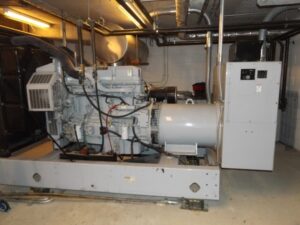
Preparation is a Year-Round Commitment
Ideally, your winter prep prevents physical damage to your property. But what about your financial preparation?
Just as you wouldn’t wait for the first blizzard to hire a snowplow, you shouldn’t wait until a major component fails to think about your Reserve Fund. Winter weather accelerates the wear and tear on your assets, and having an up-to-date Reserve Study is the only way to ensure you have the funds to address that aging process.
Look Ahead to the Thaw: while you are securing your property for the coming months, take a moment to secure your financial plan for next year. We are currently scheduling for the upcoming fiscal year.
Is your community due for an update? Don’t leave your budget out in the cold. Contact us today to request a Reserve Study proposal for 2026.