
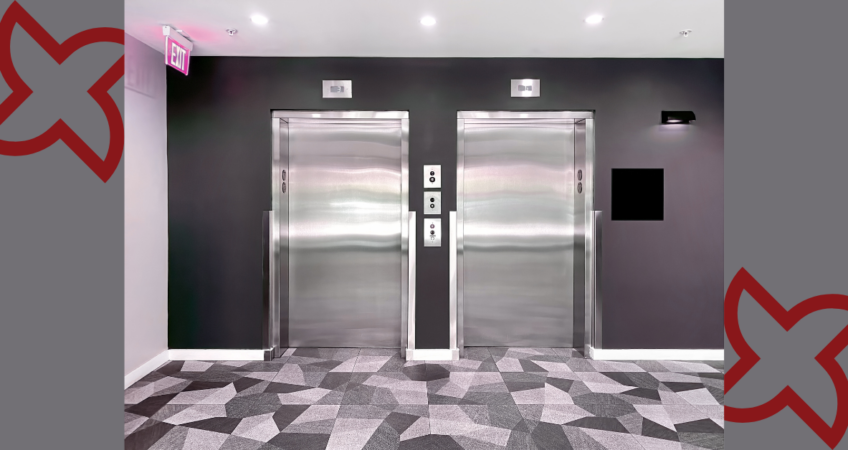
In any multi-story building, the elevator is more than just a convenience; it’s the heartbeat of the property. But as these systems age, that heartbeat can become irregular. Breakdowns happen more frequently, outages last longer, and technicians often find themselves playing a losing game of “find the obsolete part.”
When it is no longer cost-effective to patch a failing system, boards are usually left with two choices: complete replacement or modernization.
Modernization vs. Replacement: What’s the Difference?
While a complete replacement involves ripping out everything—from the rails and hoistway to the cab itself—it is rarely necessary unless there is significant structural damage or the system is so ancient it can’t meet basic safety codes.
Modernization, on the other hand, is the “smart” middle ground. It brings your elevator up to today’s standards at a significantly lower cost and with less disruption. Plus, it allows you to implement modern innovations like:
- Intelligent dispatching (shorter wait times)
- Energy-efficient drives
- AI-powered predictive maintenance
When Should You Modernize Your Elevator?
There is no “magic date,” but the industry uses several indicators to determine if your elevator is a candidate for an upgrade:
- The “Rule of Thumb” Age:
- Traction Elevators: 30+ years
- Hydraulic Elevators: 25 years
- Machine Room-Less (MRL) Units: 20 years
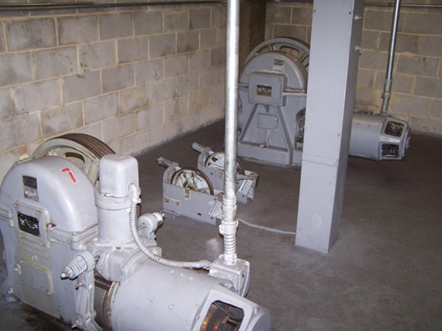
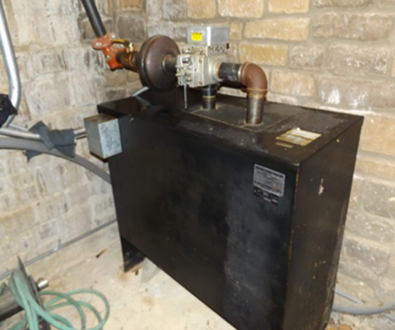
- Maintenance History: If your repair bills are straining the budget and outages are interfering with daily life, it’s time.
- Parts Availability: When manufacturers stop supporting older generations, a minor fix can quickly escalate into a month-long outage while waiting for a custom-fabricated part. This creates a state of functional obsolescence, where a piece of equipment remains physically intact but is no longer practical or cost-effective to operate because the necessary ecosystem of support has vanished.
- Safety Code Changes: Regulations evolve. Modernization ensures your building remains compliant with the latest fire and safety standards.
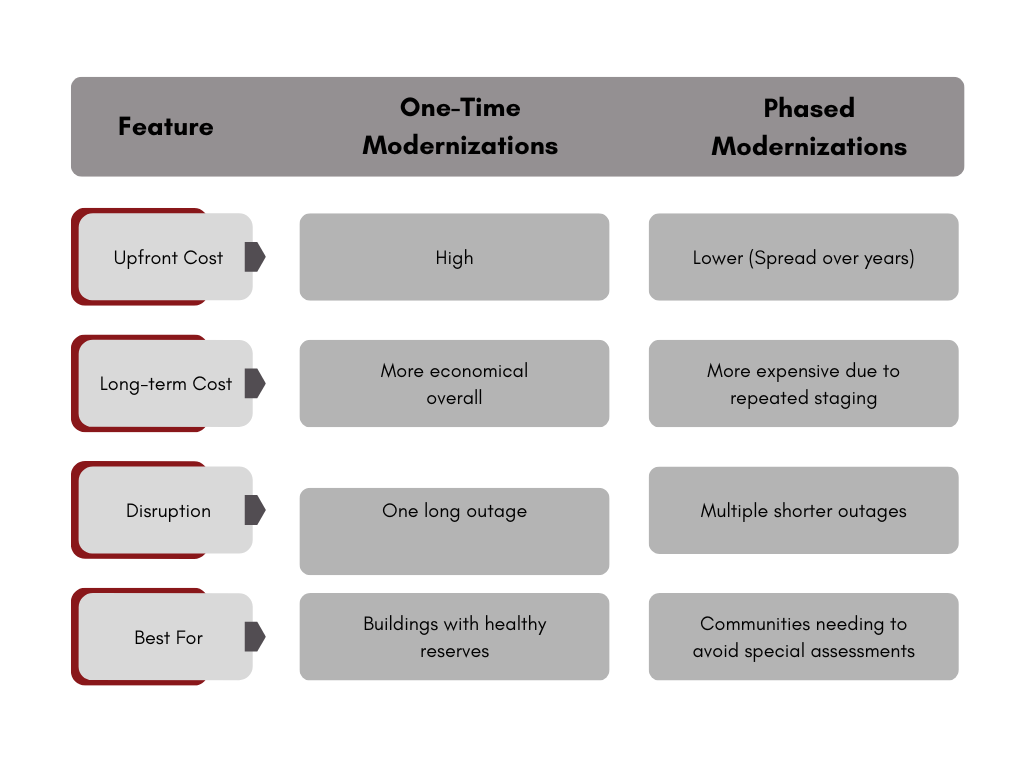
Choosing Your Path: One-Time vs. Phased
How you tackle an elevator project depends largely on your building’s financial health and its residents’ patience.
The Secret to a Smooth Project: Planning and Communication
Elevator modernization is disruptive. A hydraulic unit can be down for 3–4 months, while a traction elevator might be out for 6 months or more. To survive the process, boards must:
- Assess and Budget: Identify which components (controller, door equipment, or motors) are failing.
- Plan for Noise/Dust: Be transparent with residents about the inevitable mess and the schedule.
- Coordinate with Your Reserve Study: A well-timed modernization project should never come as a surprise. It should be a planned event backed by a solid financial strategy.
How Healthy are Your Reserves?
The best way to avoid the “sticker shock” of a sizable elevator bill is to see it in advance. A professional reserve study identifies the remaining useful life of your elevator and ensures you have the funds ready when it’s time to modernize.
Don’t wait for the next breakdown to start planning. Click here to request a proposal for a comprehensive Reserve Study today.