
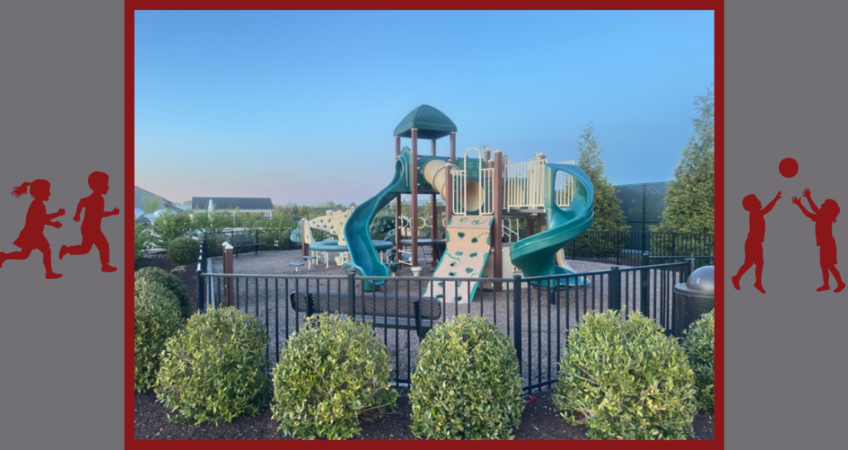
Community tot lots and playgrounds are more than just assemblies of plastic and metal; they are the heart of a neighborhood. They offer children a space to develop social skills and physical coordination while fostering a true sense of community among parents and residents.
However, from the perspective of a Reserve Study, these amenities are significant capital assets. They require proactive stewardship to ensure they reach their full useful life without becoming a financial or legal liability for the Association.
The Reality of Wear and Tear
Playgrounds are high-traffic environments. Unlike other common elements, they face a unique “triple threat”:
- Environmental Stress: UV rays, heavy rain, and freezing temperatures degrade finishes and weaken structural integrity.
- Active Use: Constant physical impact leads to loosened bolts, cracked plastic, and eroded ground cover.
- Biological Hazards: Pests like wasps or hornets, and even standing water (mosquito breeding grounds), can quickly make a safe space dangerous.
If these issues aren’t addressed, the “useful life” of your equipment, the timeline we track in your Reserve Study, can be cut short by years, leading to unexpected and costly special assessments.
The 3-Step Defense Strategy
The best way to protect your residents and your budget is a continuous cycle of Inspection, Maintenance, and Liability Management.
- Rigorous Inspections
Frequency is key. Depending on the age of your equipment and how often it’s used, you should follow this hierarchy:
- Seasonal: A “deep dive” inspection every spring before the heavy-use season begins.
- Daily: A quick “walk-through” to clear litter, debris, or vandalism.
- Weekly: A detailed check of moving parts and structural components.
- Post-Event: Immediate checks following high winds or major storms.
Pro Tips:
Ensure your staff is properly trained. Organizations like the National Recreation and Park Association (NRPA) offer courses in playground safety.
Many manufacturers typically publish a checklist for their equipment, so always document your findings; if they aren’t written down, they didn’t happen.
- Proactive Maintenance
Inspections tell you what’s wrong; maintenance is where you save the Association money.
- Prioritize Risk: Fix items that pose an immediate trip or fall hazard first.
- Follow the Manual: Equipment manufacturers provide specific maintenance schedules. Stick to them to preserve warranties.
- Contain Hazards: If a slide is cracked and cannot be fixed immediately, it must be taped off or physically blocked.
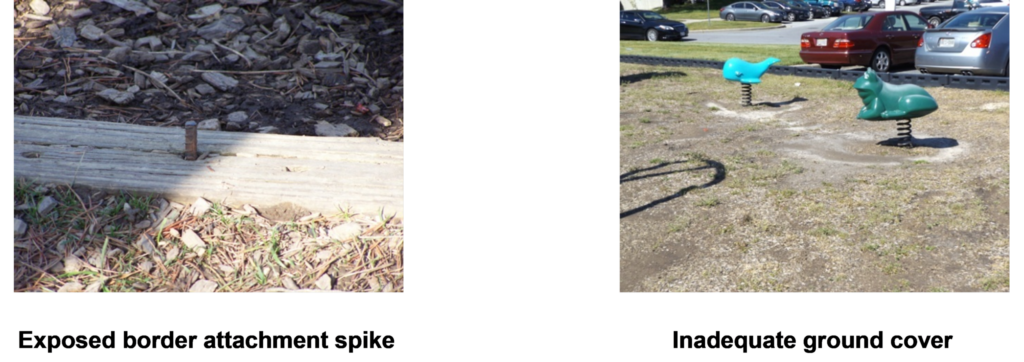
- Surface Safety: Inadequate ground cover is one of the leading causes of injury. Whether it’s mulch or rubber matting, maintaining the proper depth is non-negotiable.
- Reducing Liability Risks
From a reserve and management standpoint, “negligence” is a terrifying word. If an Association knew (or should have known) about a hazard and failed to act, the legal consequences can be devastating.
To protect the community, you must be proactive:
- Certification: Only purchase equipment rated for commercial/community use.
- Installation: Adhere strictly to spacing and “fall zone” requirements.
- Signage: Clearly post rules, hours of operation, and “use at your own risk” disclaimers.
- Insurance: Verify with your agent that your liability policy specifically covers playground-related incidents.
The Bottom Line
A well-maintained playground is a sign of a healthy, well-managed community. By following a strict regime of inspections and repairs, you aren’t just keeping kids safe; you are protecting the Association’s financial future and ensuring that your Reserve Fund stays on track.
Is your playground nearing the end of its useful life? Contact us today to see how we can help you plan for the next phase of your reserve funding.